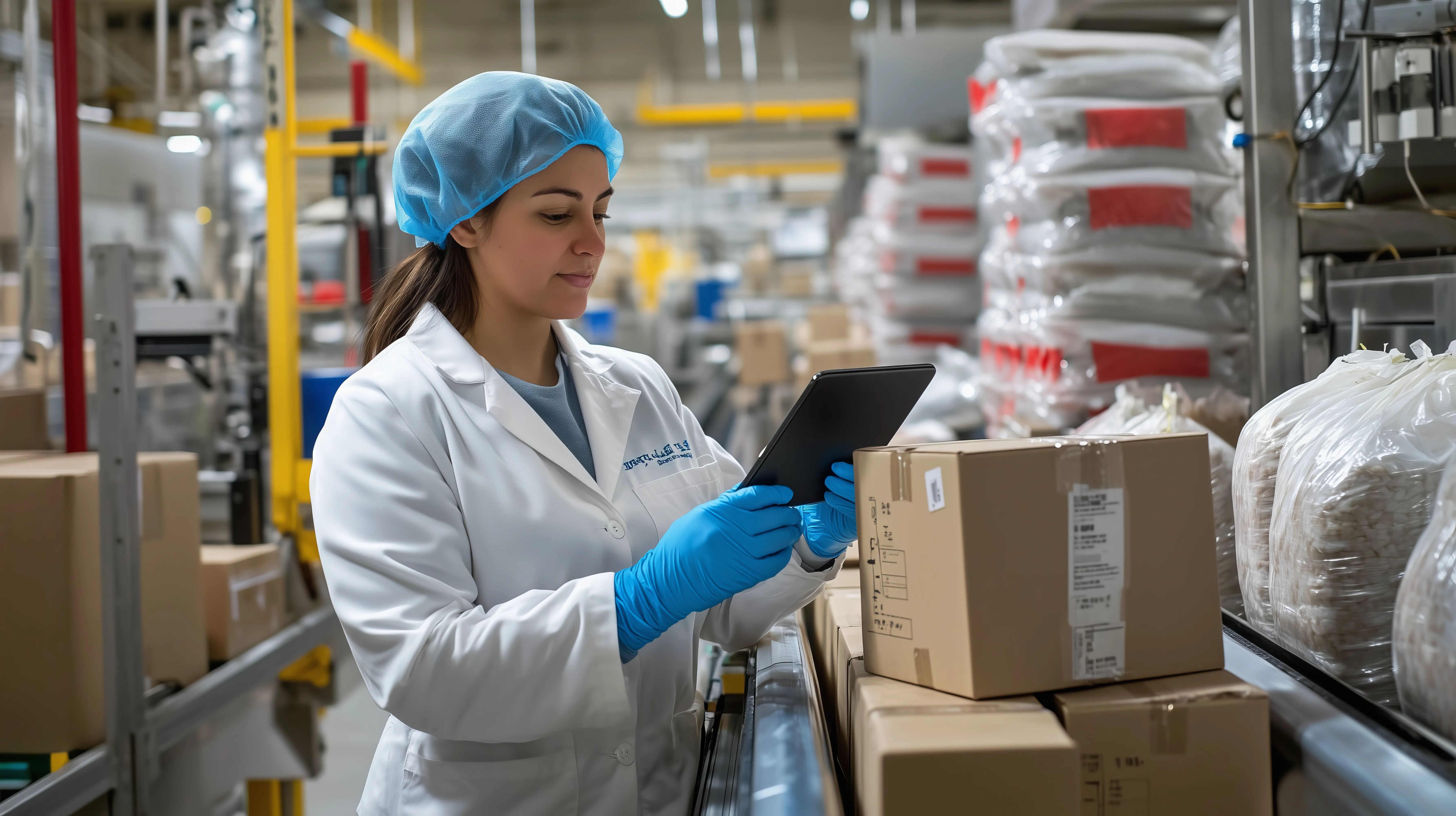
A clinical supply chain is the logistics network that ensures investigational drugs, placebos, and ancillary medical materials are accurately manufactured, safely transported, and delivered to trial sites. Its primary goal is to protect patient safety and maintain trial integrity by guaranteeing the right medication is available in the correct quantity at exactly the right time. World BI is organizing Clinical Trial Supply Forum again where this topic is going to be discussed.
The rapid expansion of advanced therapies is transforming the global healthcare landscape. As more cell and gene therapies move from clinical trials to commercial markets, the ATMP supply chain 2027 is becoming a strategic priority for pharmaceutical companies, biotech innovators, and clinical trial supply (CTS) providers. Advanced therapy medicinal products (ATMPs) represent a groundbreaking category of medications that utilize biological-based products to treat or replace damaged organs. It offers potential solutions for complex diseases through gene therapy, somatic cell therapy, tissue engineering, and combined therapies. With hundreds of cell and gene therapy programs expected to reach late-stage development by 2027, organizations must invest in smarter infrastructure, digital technologies, and resilient distribution networks.
1Understanding the ATMP Supply Chain in 2027
The ATMP supply chain 2027 refers to the integrated network responsible for manufacturing, storing, transporting, and delivering advanced therapy medicinal products. These therapies include:
- Cell therapies
- Gene therapies
- Tissue-engineered products
- Regenerative medicines
2Why Cell and Gene Therapy is Driving Supply Chain Transformation
The global cell and gene therapy market continues to expand due to:
- Rising investments in biotechnology
- Growing number of clinical trials
- Increased regulatory approvals
- Advances in personalized medicine
- Higher demand for rare disease treatments
These developments are creating new challenges in cell gene therapy logistics, including maintaining product integrity, reducing transportation delays, and ensuring end-to-end traceability.
3Key Challenges Facing the ATMP Supply Chain
1. Cold Chain Management
Most advanced therapies require storage between cryogenic temperatures and safety concerns.
Maintaining uninterrupted cold chain conditions throughout transportation is essential to prevent product degradation.
Modern cell gene therapy logistics increasingly relies on:
- Smart temperature monitoring
- GPS-enabled shipment tracking
- IoT sensors
- Predictive risk monitoring
2. Complex Manufacturing Networks
Unlike mass-produced medicines, many ATMPs are manufactured individually for each patient.
This personalized production model requires highly coordinated ATMP manufacturing distribution systems that connect:
- Collection centers
- Manufacturing facilities
- Quality testing laboratories
- Clinical trial sites
- Hospitals
Any delay at one stage can affect the entire treatment timeline.
3. Regulatory Compliance
CTS providers must comply with standards such as:
- Good Distribution Practice (GDP)
- Good Manufacturing Practice (GMP)
- Chain of Identity (COI)
- Chain of Custody (COC)
These requirements make the advanced therapy supply chain significantly more complex than conventional pharmaceutical logistics.
4The Growing Importance of CGT Clinical Supply Infrastructure
As clinical trials expand globally, companies are investing heavily in CGT clinical supply infrastructure.
Modern infrastructure now includes:
Specialized Storage Facilities
Cryogenic warehouses with redundant power systems help maintain product stability throughout storage.
Digital Tracking Platforms
Cloud-based systems provide real-time shipment visibility from manufacturing to patient administration.
Qualified Packaging Solutions
Advanced insulated containers and liquid nitrogen dry shippers help preserve therapy integrity during international transportation.
Regional Distribution Centers
Localized distribution hubs reduce delivery times and improve supply chain resilience.
Together, these investments improve operational efficiency while supporting global commercialization.
5Technology is Reshaping Cell Gene Therapy Logistics
Digital transformation is becoming essential across the ATMP supply chain 2027.
Artificial Intelligence
AI predicts shipment risks, optimizes delivery routes, and forecasts manufacturing capacity.
Internet of Things (IoT)
Connected sensors continuously monitor:
- Temperature
- Humidity
- Shock exposure
- Transit time
Real-time alerts enable immediate corrective action.
Block chain
Block chain strengthens traceability by creating secure records throughout the supply chain, improving transparency for regulators and manufacturers.
Automation
Automated warehouse systems reduce manual handling while increasing operational accuracy.
These innovations significantly strengthen cell gene therapy logistics.
6ATMP Manufacturing Distribution is Becoming More Decentralized
Traditional centralized manufacturing models are gradually evolving.
Companies are increasingly adopting regional production facilities to reduce transportation times and improve patient access.
Benefits of decentralized ATMP manufacturing distribution include:
- Faster product delivery
- Reduced shipping risks
- Lower logistics costs
- Improved regulatory flexibility
- Enhanced treatment availability
7Biotech Trial Supply 2027 Will Require Greater Collaboration
The future of biotech trial supply 2027 depends on collaboration between multiple stakeholders, including:
- Biopharmaceutical companies
- Contract manufacturing organizations (CMOs)
- Clinical trial supply providers
- Logistics companies
- Regulatory agencies
- Healthcare providers
8Sustainability is Emerging as a Strategic Priority
Environmental sustainability is becoming an important consideration within the advanced therapy supply chain.
Organizations are adopting greener practices such as:
- Reusable shipping containers
- Energy-efficient storage facilities
- Optimized transportation routes
- Reduced packaging waste
- Carbon emissions monitoring
9Preparing CTS Infrastructure for Future Growth
- Investing in digital supply chain platforms
- Expanding cryogenic storage capacity
- Strengthening global logistics partnerships
- Enhancing regulatory compliance systems
- Building flexible regional distribution networks
- Improving workforce training for advanced therapies
10Conclusion
The ATMP supply chain 2027 represents a significant shift in how advanced therapies are manufactured, distributed, and delivered. As the cell and gene therapy market continues to expand, organizations must modernize cell gene therapy logistics, strengthen CGT clinical supply infrastructure, optimize ATMP manufacturing distribution, and build a more resilient advanced therapy supply chain.
11 Clinical Trial Supply Forum
The Clinical Trial Supply Forum brings together leaders driving innovation in clinical trial supply. Designed for pharmaceutical and biotechnology professionals, it provides a unique platform to connect, collaborate, and exchange insights with industry peers and leading solution providers. Organized by World BI, the forum fosters collaboration and innovation to enhance the efficiency, diversity, and global success of clinical trials through knowledge sharing, strategic partnerships, and best practices.